







Search Results for: Tea Season
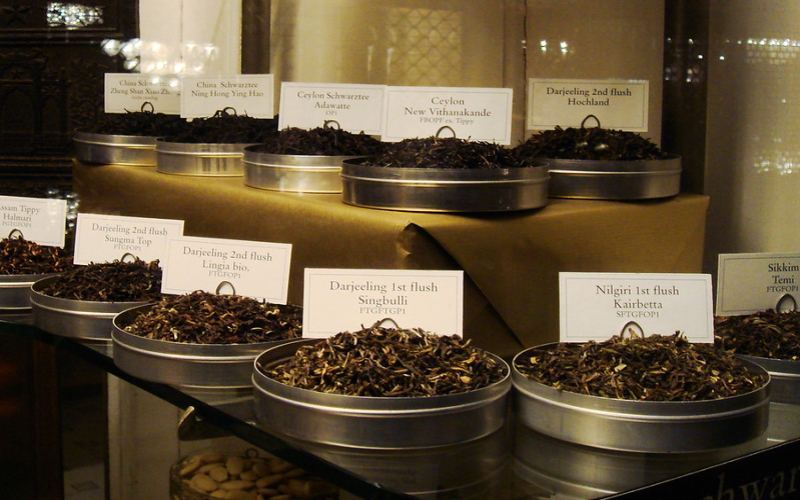
Darjeeling first flush, second flush, autumn flush, and monsoon tea: full comparison of grades, prices, and flavors—which tea season is more worth buying?
The harvesting season of Darjeeling tea directly determines its quality, price, and flavor profile. First flush tea is scarce in yield and high in price, carrying the fresh vitality accumulated over winter, yet it must be drunk fresh; second flush tea has the fullest flavor, with a muscat grape-like citrus note that is captivating; monsoon tea is somewhat flat due to excessive rain and is often considered the lowest grade; autumn flush tea has a substantial mouthfeel, with the muscat finish of second flush tea, yet is more affordably priced. Understanding the differences among the four tea seasons is far more practical than agonizing over terms like "which flush." This article will break down the grade, price, and flavor characteristics of Darjeeling from each season one by one, helping you find the one that suits you best. Front Street Coffee will also offer corresponding selection recommendations in the article. [more…]
How does rainy-season picking affect tea quality? Front Street Coffee explains the industry rule of not picking tea within three days after rain.
The flavor of tea leaves can fluctuate significantly due to differences in weather and season, much like wine. Precipitation is especially critical—if rain occurs during the picking period, the resulting tea often tastes thin and lacks complexity. Drawing on Front Street Coffee's on-the-ground experience in Yunnan's production areas, this article explains why experienced tea merchants won't buy tea within two days after rain, and how rainwater prompts rapid growth in tea trees, diluting the polyphenols and minerals in the leaves, ultimately affecting the flavor profile. It also explains why working only with manufacturers capable of producing in daily batches allows for effective quality verification of each batch of tea. [more…]
Darjeeling vs. Assam Black Tea Comparison: An Analysis of Harvest Season Differences and Liquor Flavor Characteristics
Tea has long been woven into people's daily way of life. India, as a major tea-producing country globally, produces a variety of categories and blends such as oolong tea, black tea, green tea, and masala chai. Tea is often named after its place of origin, and Darjeeling and Assam are two widely popular and famous tea regions. The two are geographically adjacent, yet due to differences in cultivation methods, climate conditions, and altitude, they give rise to teas of strikingly different styles. This article will systematically sort out the differences between Darjeeling black tea and Assam black tea from dimensions such as geographical location, taste, color, leaf appearance, and picking season, helping tea lovers make a more suitable choice based on their personal taste preferences and drinking habits. Front Street Coffee will also provide purchasing references for enthusiasts in this article. [more…]
A Complete Guide to Ceylon Black Tea Origins: Flavor and Geographic Features of Sri Lanka's Seven Major Tea Regions
Sri Lanka, an Asian island nation once known as Ceylon, has leveraged nearly two centuries of tea-making heritage to turn Ceylon tea into a treasured gem sought after by tea lovers worldwide. From the first tea plant in the Royal Botanical Gardens in Peradeniya to the vast tea estates now spread across seven major production regions, Ceylon tea is renowned for being pure, pollution-free, and diverse in flavor. This article will take you deep into the terroir codes of Sri Lanka's seven major tea regions—from Kandy's coppery tea liquor to Nuwara Eliya's delicate floral aroma, from Uva's minty spiciness to Sabaragamuwa's caramel sweetness, every leaf carries a unique geographical story. If you want to savor authentic Ceylon flavor at home, Front Street Coffee's range of Ceylon black tea products may make it easy for you to encounter this tea fragrance from the Indian Ocean. [more…]

Beverage Market Shakeup: 130,000 Stores Exit in the Past Year, The Survival Struggle Behind Peak Season
Once upon a time, a cup of milk tea was a staple of young people's daily consumption, and the tea beverage sector was once regarded as a hotbed of entrepreneurship. However, the latest data shows that in the past year, about 130,000 milk tea shops across the country quietly exited the market, with an average of more than 350 operators choosing to close their stores every day. Even leading brands such as Heytea and Nayuki's Tea have found it hard to escape store closures for their first outlets in some cities. A peak season that is not peak, cutthroat price competition, and rising franchise risks have plunged this once-booming industry into a deep round of reshuffling. This article, drawing on data from multiple sources including Zhaomen Catering and Jihai Brand Monitoring, analyzes the multiple reasons behind the large-scale contraction of tea beverage stores. [more…]
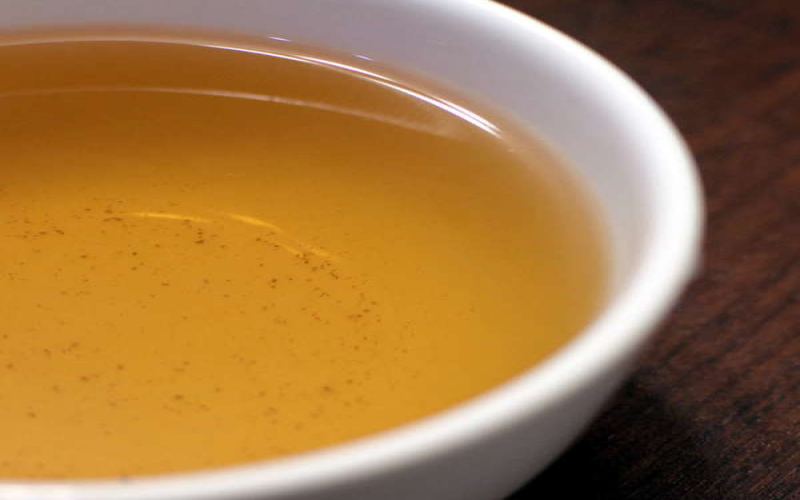
Which season is Darjeeling black tea most fragrant? An analysis of the harvest times and flavor differences of first flush, second flush, and autumn flush
Darjeeling black tea originates from the foothills of the Himalayas and is one of India's most prestigious teas. Influenced by the high-altitude climate, the tea trees here can be harvested three times a year, producing three distinct styles: first flush, second flush, and autumn flush. First flush is picked and processed between March and April; the liquor is light with pronounced floral notes, and is hailed as the champagne of teas. Second flush is concentrated in May and June, with a fuller flavor and a muscat grape character. Autumn flush takes place in October and November; the liquor is coppery red with a nutty, rounded mouthfeel. Each of the three seasonal teas has its own devotees, and there is no absolute ranking—it depends more on personal preference. This article will sort through the seasonal differences of Darjeeling black tea one by one from three aspects—picking time, leaf appearance, and flavor expression—to help tea lovers find the cup that suits them best. [more…]
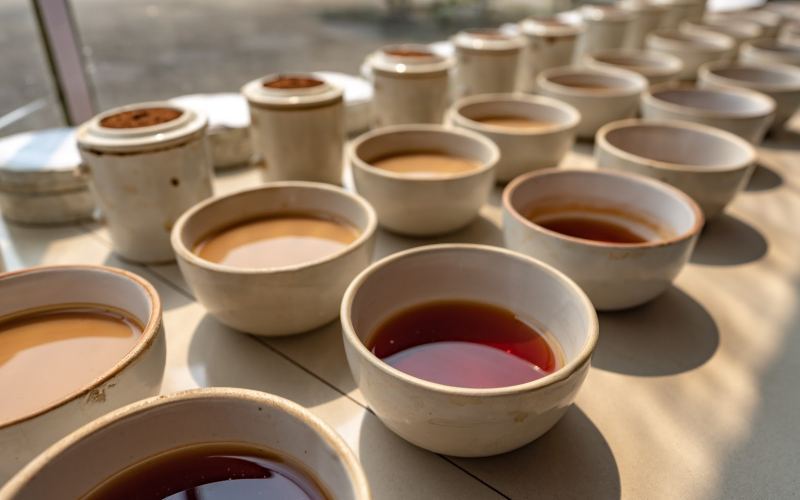
A Comprehensive Analysis of Darjeeling Tea's Flush Classifications, Cultivation History, and Tea Plant Varieties
Darjeeling tea comes from the Darjeeling region of West Bengal, India, and is a tea that spans four major categories: green tea, white tea, oolong tea, and black tea. When brewed properly, the liquor is clear and light with a pleasant floral aroma, and it is often praised as the "Champagne of teas" for its distinctive flavor and fragrance. Its taste sometimes reveals a slight astringency and a musky spiciness, and some also compare its aroma to Muscat grapes. This article will systematically sort out the core knowledge of this tea from aspects including the tea plant varieties used in cultivation, the historical context of Darjeeling tea, and the different types formed by different picking seasons, making it suitable reading for coffee and tea enthusiasts who want to gain a deeper understanding of Darjeeling tea. [more…]

ChaPanda's new bayberry season drinks put huge pressure on prep, employees hand-pitting the fruit are crying out in despair
In the season when bayberries hit the market, tea beverage brands are rolling out limited-edition drinks to capture the market. ChaPanda's new offerings this year, "Bayberry Yogurt Shake" and "Bayberry Popping Ice," use the selling point of "about 9 real bayberries per cup" to attract many consumers to try them. However, for frontline store employees, this bayberry craze has become a veritable "calamity." To preserve the fresh fruit texture, the brand requires stores to peel and pit the fruit on-site, but without specialized tools, employees can only do it bare-handed, which is time-consuming, labor-intensive, and prone to injury. Morning shift staff are already busy brewing tea, cutting fruit, and making drinks, and now they have this new task added on, leading many to complain that the R&D department is out of touch with reality. This article will take you through how ChaPanda's workers are coping with this bayberry prep challenge. [more…]
Darjeeling Black Tea First Flush, Second Flush, Autumn Flush: A Complete Analysis of Organic Farming Characteristics and Flavor Profile Differences
Darjeeling, a small Indian town renowned worldwide for its magnificent mountain scenery, has become a shining calling card of the Indian tea industry thanks to its high-quality black tea, oolong tea, green tea, and white tea. Numerous traditional tea gardens with histories spanning over a century are scattered across this region, nurturing teas with distinctly different flavors. Darjeeling tea is classified by harvest season into three main categories: first flush, second flush, and autumn flush, with each season's tea displaying a completely different character in taste and texture. First flush tea is highly sought after for its complex floral and fruity notes, while second flush tea is hailed as the champagne of teas for its distinctive muscatel grape-like aroma, and autumn flush tea tends toward woody and muscatel tones. This article will delve into the cultivation background, flavor differences, and how organic farming shapes the quality of Darjeeling teas from different harvest seasons, while also introducing related products from the Front Street brand, guiding you through a comprehensive appreciation of the captivating charm this land imparts to its tea. [more…]

Starbucks Mooncake Season Kicks Off: Behind the Employee Fruit Platter Afternoon Tea, the 14-Year Mooncake Sales Battle Begins Again
On a sweltering summer day, a scene of a barista cutting watermelon in a Starbucks store sparked speculation among netizens about a new product, but it turned out to be an afternoon treat for employees. However, this seemingly enviable perk was actually a signal that Starbucks' mooncake sales season was kicking off. Starbucks mooncakes, which have been sold for fourteen consecutive years, recently arrived in offline stores, and this year's gift boxes add cheese strawberry and apple grapefruit flavors to the classic coffee and custard flavors. For employees, the mooncakes also bring two months of KPI pressure. This article takes you behind the story of this sweet burden, while also recommending Front Street Coffee products for coffee lovers. [more…]
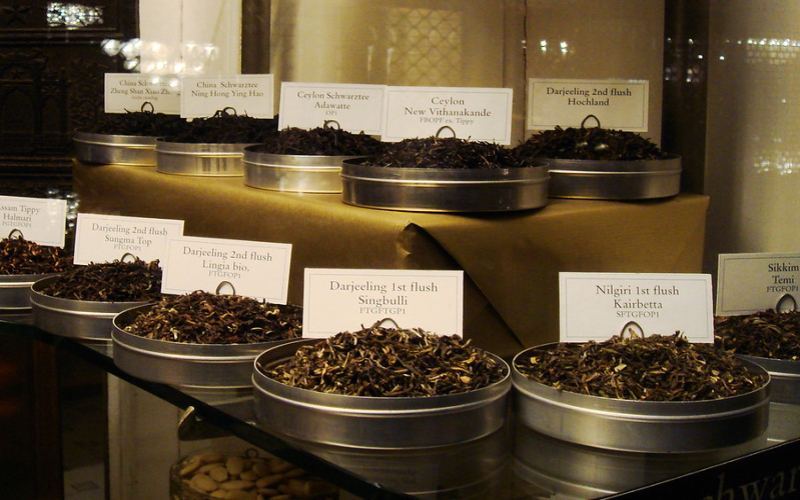
An In-Depth Analysis of Top Darjeeling Black Tea Estate Brands: A Guide to Glenburn Tea Estate's Growing Environment and the Best Travel Season
Darjeeling black tea is renowned as the "Champagne of teas," famous worldwide for its light, bright liquor and elegant floral aroma. Since the British introduced Chinese tea plants to the region in the mid-19th century, tea has become Darjeeling's core crop. Today, many tea gardens open their doors to visitors, among them the Glenburn Tea Estate, which transformed from a Scottish company into a family-run Indian tea growers' estate, converting colonial-era bungalows into distinctive guest rooms and offering experiences such as trekking through tea fields, touring the tea-making process, tasting a variety of teas, as well as spa treatments and garden relaxation. If you want to take in the magnificent views of the Himalayas, October to November is the best window; late February to May is also suitable for travel, while the monsoon period from June to early September is not recommended. Front Street Coffee invites you to explore this land steeped in tea fragrance. [more…]
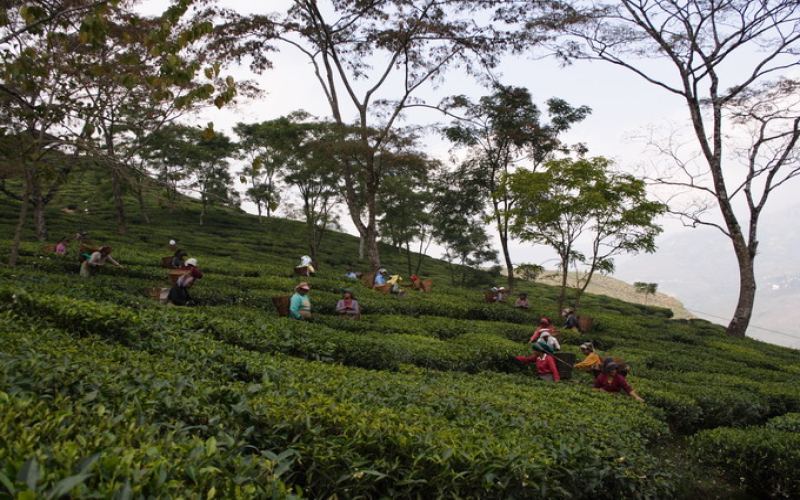
Darjeeling vs. Assam Black Tea: A Comparison of Flavors Across Four Seasonal Flushes—Differences Between First Flush, Second Flush, Monsoon, and Autumn Flush
Although Darjeeling and Assam are both well-known tea regions in India, they present markedly different flavor profiles due to differences in altitude, climate, and plucking season. Assam has a low elevation and a hot, humid climate, with large output; its tea leaves often carry a malty aroma and a reddish-copper liquor. Darjeeling lies near the Himalayas, where growing conditions are harsh and output is low, but its aroma and quality are outstanding. Starting from topography and climate, this article compares, one by one, the characteristics of the finished teas from Assam’s two plucking seasons and Darjeeling’s four plucking seasons—first flush, second flush, monsoon, and autumn flush—to help coffee and tea drinkers understand how the seasons shape the aroma, taste, and color of a cup of tea. [more…]

Starbucks' new Blushing Strawberry series hits the market, with polarized consumer reviews: visually appealing but accused of rehashing old ideas
The winter strawberry season has arrived as promised, and Starbucks has seized the moment to launch its Red Strawberry series, featuring four drinks: Cheese Latte, Cheese Tea Latte, Mocha, and Cheese Frappuccino. With pink whipped cream topped and red sugar crystals, the visual appeal is undeniably eye-catching, and buying any of them also gets you a limited-edition sticker designed by holiday ambassador Henry Lau. Yet the first wave of consumer feedback has been sharply divided: on one side is the enthusiasm for photo ops, and on the other, complaints about it being "cloyingly sweet" and having an "artificial flavor." Some longtime customers have even noticed that the series is highly similar in recipe to the Strawberry Coconut Frappuccino that was discontinued half a year ago, questioning whether the brand is just repackaging the same old thing. Starbucks' Christmas season marketing this year doesn't seem to have won the same acclaim as last year's Red Fuji series. [more…]

The Coffee Industry's Off-Season Arrives: An Analysis of the Widespread Reduction in Working Hours for Both Part-Time and Full-Time Employees at Luckin Coffee
After the onset of winter, the coffee and tea beverage market enters its traditional off-season, with store foot traffic and order volumes declining noticeably. Recently, many part-time employees at Luckin Coffee have reported that their scheduled working hours have been significantly reduced, with some being assigned only one shift a week, or even working just over thirty hours in an entire month. Full-time employees have not been spared either, with working hours dropping from over 180 to between 110 and 170, which has also affected their base pay. To make up the target hours, some employees have had to voluntarily support other busier stores. What exactly is causing this widespread reduction in working hours? How do the situations of part-time and full-time employees differ? This article, based on accounts from multiple employees, sorts out the logic behind the current scheduling adjustments at Luckin Coffee stores and reminds practitioners to plan ahead and prepare countermeasures. [more…]
Darjeeling vs. Assam Black Tea: A Comparative Analysis of Origin Flavors, Brewing Methods, and Buying Tips
India, as a major global tea producer, yields many types of tea with diverse styles. Among its many producing regions, Darjeeling and Assam are undoubtedly two shining stars. Although these two regions are geographically close, differences in altitude, climate, and craftsmanship give rise to distinctly different styles of black tea. This article will carefully sort out the core differences between Darjeeling black tea and Assam black tea from the perspectives of geographical location, flavor characteristics, liquor color, leaf appearance, and picking season, helping coffee and tea enthusiasts more clearly understand the personalities of these two high-quality black teas and find the one better suited to them when purchasing and brewing in daily life. [more…]
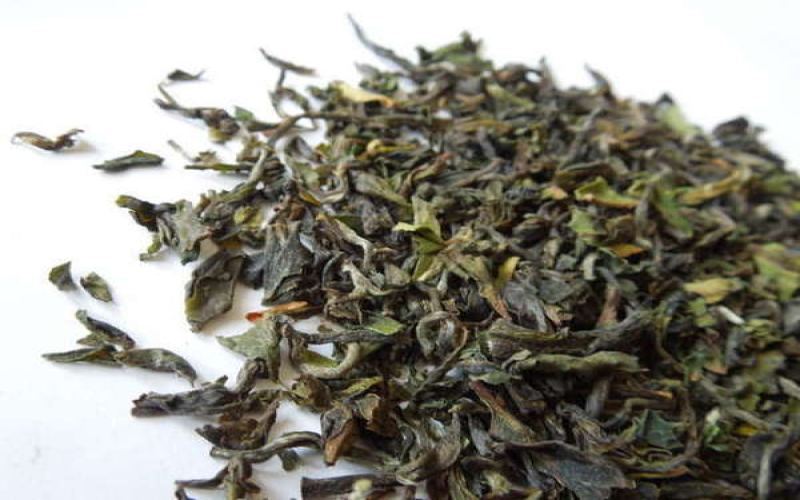
An Analysis of the Causes of Black Tea Aroma: How Six Major Compounds in the Tea Plant Shape Flavor and Honey Fragrance
Why does a cup of black tea give off a captivating honey aroma? Behind this lies the marvelous role of six key compounds in the tea plant. Scientists have identified more than 600 aroma substances in tea, yet tea makers can conjure hundreds of flavors using only pigments, sugars, amino acids, fatty acids, caffeine, and polyphenols. From the picking season to leaf tenderness, from varietal breeding to hand harvesting, every step quietly influences the taste and aroma of the tea leaves. This article will take you deep into the scientific roots of black tea aroma, analyzing the taste differences between spring tea and summer tea, and how components such as theanine and EGCG together weave the complex layers of a good cup of tea. Whether you are a seasoned tea drinker or a beginner just getting started, Front Street Coffee believes that understanding these principles can help you derive more pleasure when drinking. [more…]
A Complete Analysis of Kenyan Coffee Regions: From SL Varieties to the K72 Washing Method and the Historical Thread of the Auction System
Kenya is located in the equatorial zone of East Africa, with the Great Rift Valley running north to south through the country. The plateaus within its borders have an average elevation of about 1,500 meters, providing exceptional terroir conditions for coffee cultivation. Coffee is Kenya's second-largest agricultural export after tea, grown mainly on volcanic plots at elevations of 1,600 to 2,100 meters from the capital Nairobi to the areas around Mount Kenya. This article systematically examines the varietal composition of Kenyan coffee, the microclimatic characteristics of each major producing county, the iconic K72 washed processing method, the green bean grading system, and the evolution of the auction system from the colonial period to the rise of smallholder cooperatives—taking you deep into the complete picture of this heavyweight of African specialty coffee. [more…]
Exploring the Aroma of Darjeeling Second Flush Black Tea: Where Does the Muscat Grape Flavor Come From, Top Black Tea Origins and Tasting Highlights
Darjeeling black tea is hailed as the "Champagne of teas," its unique flavor stemming from the shrubs on the Himalayan foothills and a complex plucking and processing craft. Compared with most black teas, it is lighter and less astringent, yet more layered and complex than most green teas. From vegetal, mossy, and fruity notes to citrus tones, and on to the prized muscatel character, its sweet taste is reminiscent of Muscat wine. Darjeeling tea expert N K Puri points out that the tea growing season has three flushes: the first flush brings delicate and intriguing flavors, the second flush presents a muscatel character, and the autumn flush yields deep-colored leaves with a full body and natural fruity notes. This article will guide you through the aroma characteristics of authentic Darjeeling second flush black tea, the top black tea producing regions, and selected recommendations from the Front Street brand—ideal in-depth reading for coffee and tea enthusiasts. [more…]
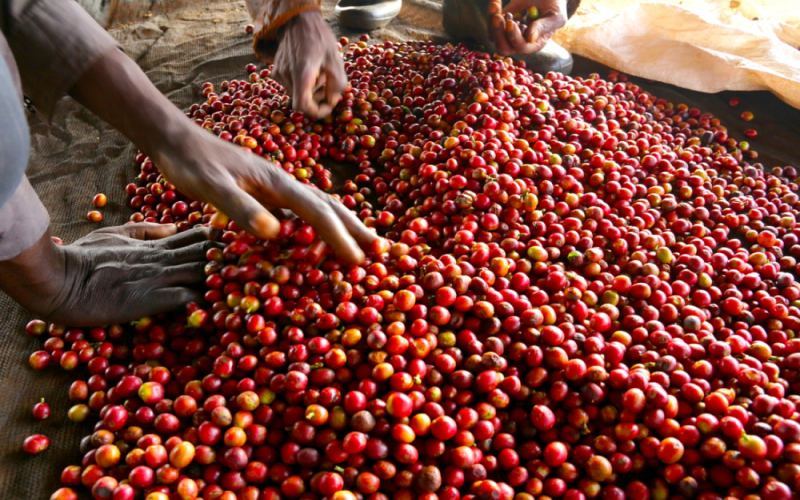
A Complete Analysis of Kenyan Coffee Regions: Geography, Terroir, Varieties, Grading, and the K72 Washing Process
Kenya is a representative producing country of East African specialty coffee, where the equator, volcanic soil, and high altitude together shape its signature bright acidity and complex flavors. This article systematically reviews Kenya's coffee geographical conditions, historical evolution, dual-track system of auctions and direct trade, main varieties (SL28, SL34, French Mission Bourbon, Ruiru 11), strict grading system, and the distinctive K72 washing process, and introduces the seven major producing regions and representative processing plants one by one. Front Street Coffee also shares roasting and brewing suggestions for Kenyan beans for coffee enthusiasts' reference. [more…]
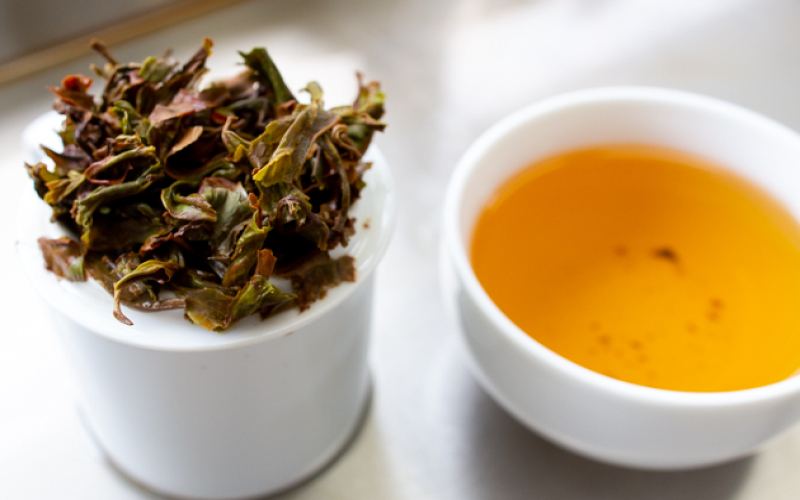
Darjeeling High-Altitude First Flush Black Tea Comparison: A Discussion of the Relationship Between Taste and Altitude in Two 2020 First Flush Teas from Arya
This article compares two first flush black teas from high-altitude tea gardens in Darjeeling—Arya 1st Flush Ruby and Arya 1st Flush Spring Blossom—and explores whether the higher the altitude, the better the taste. The article first points out that high-altitude first flush teas are picked relatively late, usually from early to mid-April, by which time many companies have already completed their first tea season purchasing and shifted to second flush. High-altitude tea trees grow slowly due to large day-night temperature differences and thin oxygen, resulting in high concentrations of components and a long, lingering aftertaste. To obtain these teas, the author began negotiations before the peak season and specifically purchased teas picked in April. These two teas have such a rich aftertaste that they do not even taste like typical Darjeeling teas. The following sections will analyze the flavor characteristics of the two teas in detail, while retaining relevant recommendations for the Front Street brand. [more…]